
How to Price Your Home Right: Market Trends, Condition, Location, and Smart Adjustments
A listing price can shape the entire sale. Price too high, and the home may sit. Price too low, and money may be left on the table. The right price comes from evidence, not guesswork.
Good pricing balances the market, the home’s condition, the location, and buyer response after launch.
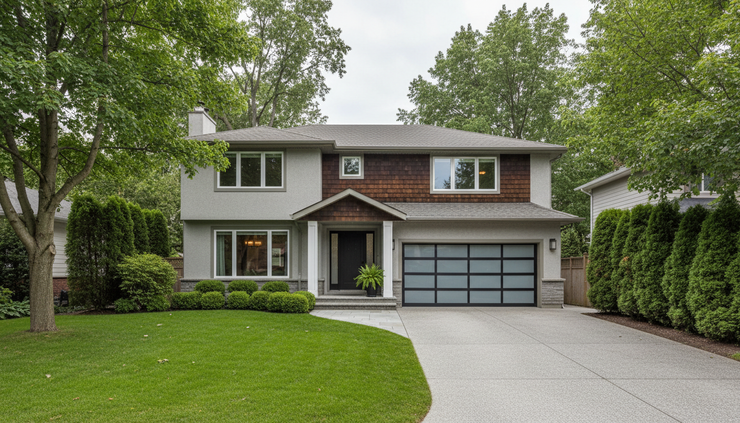
Start with what the market is doing now
The market sets the frame for every pricing decision. A price that made sense six months ago may not work today.
Look at current signals first:
Active listings
These are the homes competing for buyer attention right now.
Pending sales
These show what buyers recently accepted before closing.
Recently sold homes
These confirm what buyers actually paid.
Days on market
Longer selling times can point to softer demand or overpricing.
Price reductions
Frequent reductions in the area may show that sellers are testing too high.
Interest rates also matter. When rates rise, some buyers lose purchasing power. That can reduce demand at certain price points. When rates ease, more buyers may reenter the market.
Seasonality can affect behavior too. Spring often brings more listings and more buyers. Late fall and winter may bring fewer showings, but also less competition. The best pricing strategy reflects current buyer activity, not only annual averages.
Avoid basing the price on what is needed from the sale. Buyers do not price homes by a seller’s mortgage balance, renovation cost, or next purchase. They compare value.
Match the price to the property’s real condition
Condition has a direct effect on price. Buyers notice repairs, finishes, layout, odors, light, storage, and curb appeal fast.
A move-in ready home can often support a stronger price than a similar home that needs work. But updates only add value when buyers see them as useful and current.
Focus on the areas buyers judge most closely:
Factor | Pricing impact |
Roof, HVAC, plumbing, and electrical | Major systems affect buyer confidence and inspection risk |
Kitchen and bathrooms | Updated spaces can improve perceived value |
Flooring and paint | Fresh, neutral finishes can make the home feel cleaner |
Curb appeal | First impressions affect showing interest |
Layout and function | Awkward floor plans may limit the buyer pool |
Do not assume every improvement returns full cost. A $40,000 kitchen update does not always add $40,000 to market value. Some projects help the home sell faster more than they raise the price.
Small fixes can still matter. Touch up paint. Replace broken fixtures. Clean carpets. Improve lighting. Remove clutter. These steps help buyers focus on the home, not the work it needs.

Weigh location with care
Location remains one of the largest pricing factors. Two similar homes can sell for very different prices because of where they sit.
Strong location factors may include:
Short commute routes
Access to parks, shopping, and daily services
Desirable school boundaries
Quiet streets
Larger lots
Walkability
Views or privacy
Location can also create price limits. Homes near busy roads, rail lines, industrial areas, or commercial lots may sell for less than similar homes in quieter spots. Flood zones, high homeowners association fees, or limited parking can also affect demand.
Be precise. Do not compare a home across town just because the square footage is close. Neighborhood boundaries can matter. School zones can matter. Even one side of a major road can sell differently from the other.
A good pricing review looks for the closest match first. Same neighborhood. Similar property type. Similar age. Similar size. Similar lot. Similar condition. The more adjustments needed, the less useful the comparison becomes.
Use a comparative market analysis the right way
A comparative market analysis, often called a CMA, is one of the most useful tools for choosing a listing price. It compares the property to similar homes that are active, pending, and recently sold.
A strong CMA does more than pull a few online estimates. It studies what buyers had available and what they chose.
Use these steps:
Choose true comparable homes
Look for homes with similar size, style, age, condition, and location. Stay as close as possible.
Separate active, pending, and sold homes
Active listings show competition. Pending homes show recent buyer behavior. Sold homes show closed market value.
Adjust for major differences
A pool, extra garage bay, larger lot, updated kitchen, or finished basement can change the comparison.
Check the time frame
Recent sales carry more weight. Older sales may need adjustment if the market has shifted.
Watch the price per square foot
This metric helps, but it should not set the price alone. Layout, condition, lot, and features still matter.
Online home value tools can be a starting point. They should not be the final answer. Automated estimates may miss renovations, poor condition, premium lots, or local buyer preferences.
The best CMA gives a pricing range, not one magic number. From there, choose a list price based on goals, competition, and how quickly the home needs to sell.

Know when a professional appraisal helps
A professional appraisal gives an independent opinion of value. Lenders usually require one when a buyer uses financing. Sellers can also order a pre-listing appraisal before going on the market.
An appraisal can help when:
The home is unique
Few comparable sales exist
The property has major upgrades
The neighborhood has mixed property types
The seller wants an outside valuation before listing
Pricing opinions differ widely
An appraiser studies the property, reviews comparable sales, and applies valuation methods used in the lending process. This can bring clarity.
Still, an appraisal is not a guarantee of the final sale price. Buyers decide what they are willing to pay. The market can move after the appraisal date. Also, one appraiser may weigh adjustments differently than another.
A pre-listing appraisal can be useful, but it works best alongside a CMA and current market feedback. Treat it as one strong piece of evidence, not the only answer.
Adjust based on buyer response
The first two weeks on the market often reveal a lot. Showing activity, online saves, agent comments, and offers all send signals.
If the price is right, the home should attract steady interest from qualified buyers. If showings are low, the market may be rejecting the price. If showings are strong but offers are absent, buyers may like the home but see better value elsewhere.
Watch for these signs:
Few showings after strong listing exposure
Repeated comments about price
Buyers choosing similar nearby homes
No offers after multiple serious showings
High online views but low appointment requests
Competing homes going under contract first
Do not wait too long to respond. A stale listing can lose momentum. Buyers may wonder what is wrong with the property. A timely price adjustment can bring the home back into search ranges and renew interest.
Price changes should be meaningful. A tiny reduction may not shift buyer behavior. Review the nearest search brackets in the local MLS and major home search sites. Dropping from $505,000 to $499,000 may reach more buyers than reducing to $500,000, depending on how search filters work.
Feedback should guide the decision, but not every comment deserves equal weight. One buyer’s opinion may be noise. A pattern is useful. If several buyers mention outdated bathrooms, road noise, or a high price compared with nearby homes, take it seriously.

Price with a plan, not emotion
The strongest listing price is backed by facts. Study the market. Compare the right homes. Account for condition and location. Use a professional appraisal when the situation calls for it. Then adjust with purpose if buyers do not respond.
A clear pricing plan protects time, money, and negotiating power.
If you want help reviewing the right price range before listing, contact VIP Realty Group for a practical pricing conversation.
The goal is simple. Enter the market at a price buyers can believe, then respond fast if the market says otherwise.


Comments